
Why the Moon? Upsides of looking up.
We've long been fascinated by the skies, driven by pragmatism and profundity in equal measure. But with tech removing the need to pay so much attention, are we losing connection with the cosmos?
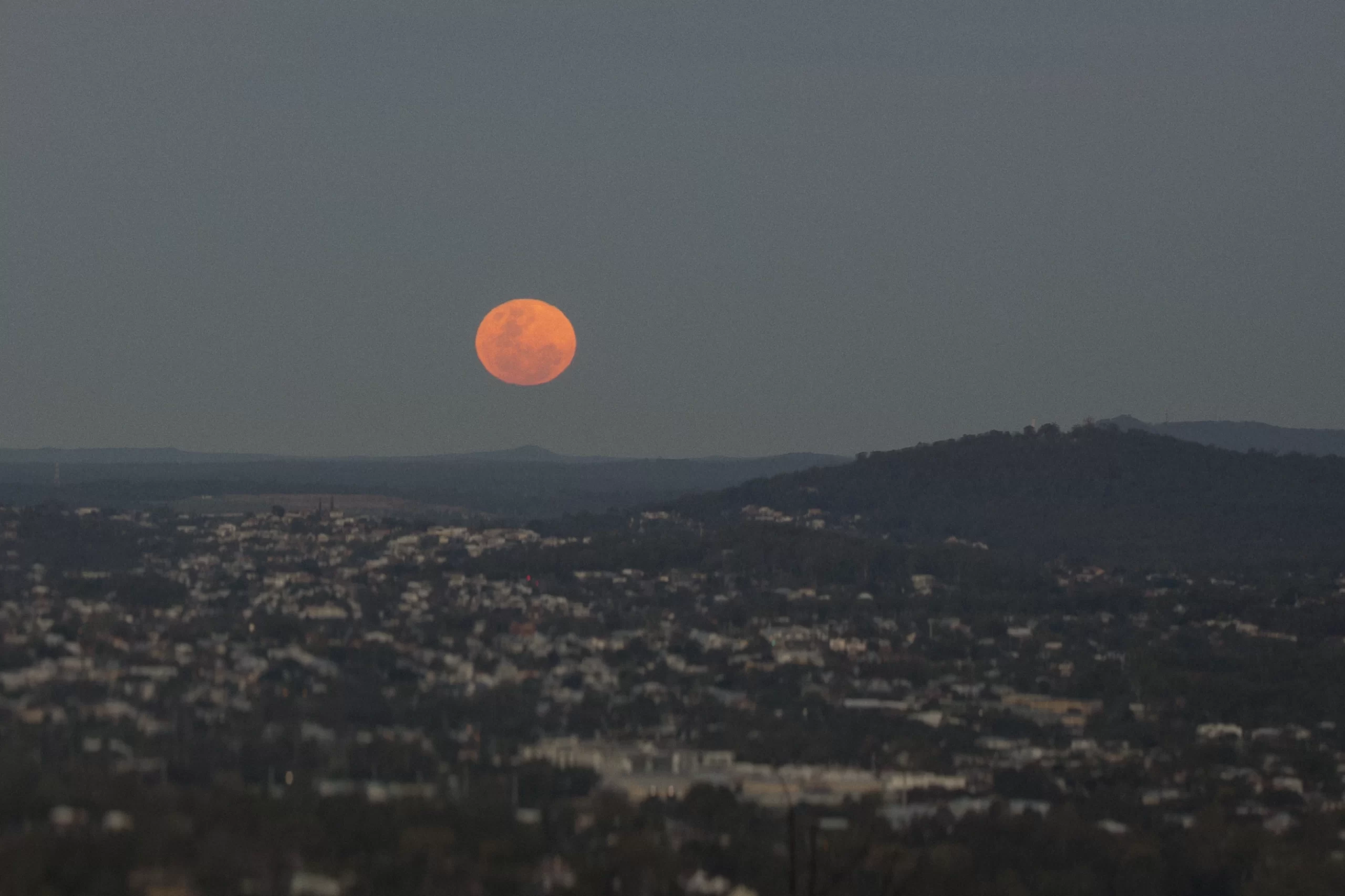
Photo essay / 01
The human animal isn’t alone in watching the sky.
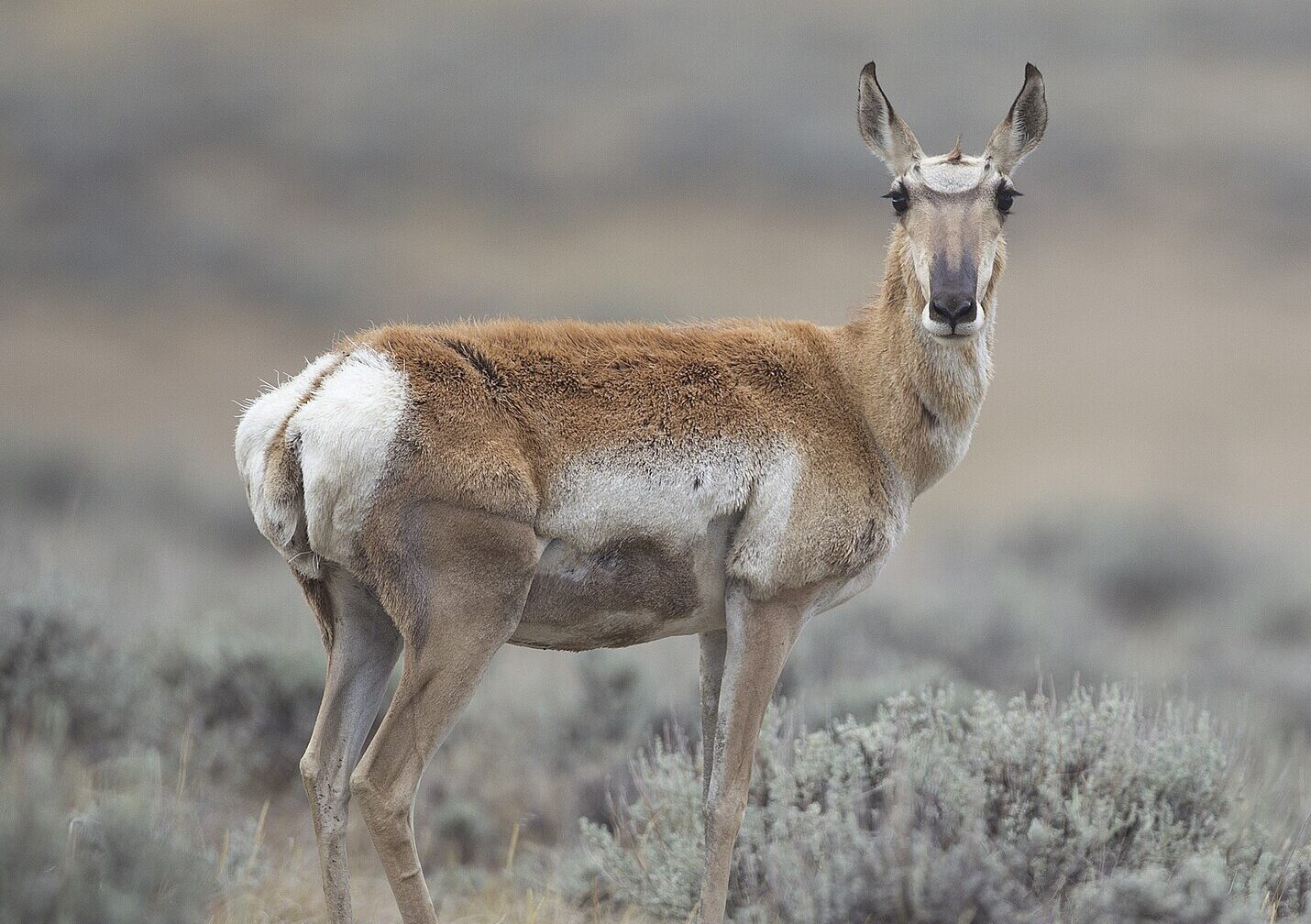
By Yathin S Krishnappa – Own work, CC BY-SA 3.0, https://commons.wikimedia.org/w/index.php?curid=24551363
On the prairies of North America, pronghorn antelopes scan the horizon and space above with large, wide-set eyes. Whether or not they enjoy stargazing on a cold night in Wyoming is open for debate. But a coyote twitching on the horizon or a golden eagle circling overhead probably catches their attention more than Venus rising.
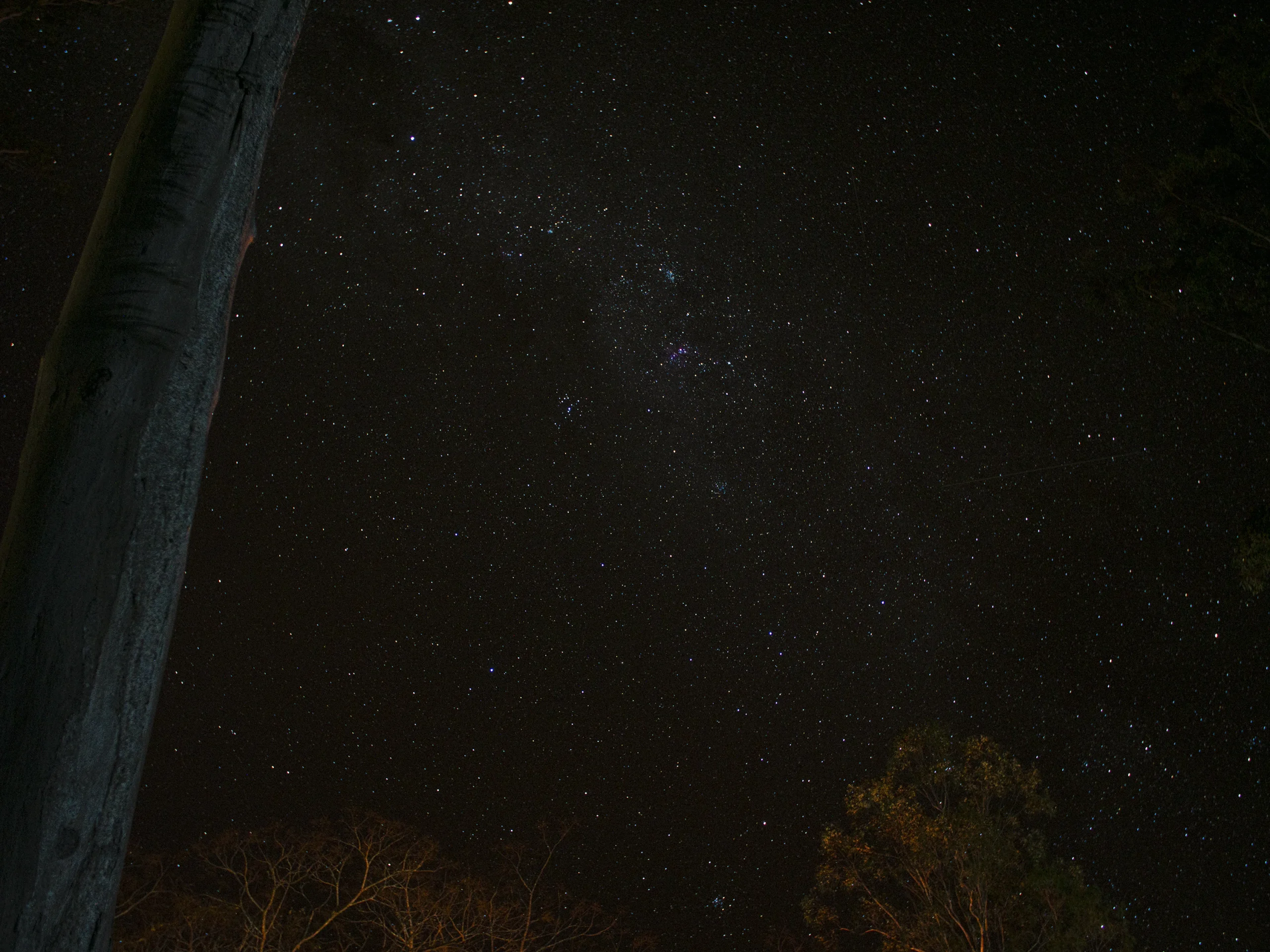
Harbour seals can orient themselves by the stars, while newly hatched sea turtles find the ocean by moving towards the brighter, open horizon. African dung beetles can keep things rolling in a straight line by orienting themselves to the Milky Way. You can’t polish a ball of turds, but you can roll it under a glittering sky…
As our ape ancestors started dragging themselves off their knuckles and onto two feet, perspectives changed. So did our anatomy. A more upright spine and a head that balanced above it brought a higher vantage point, useful for spotting distant threats and surveying the landscape.
But, at the risk of indulging in human exceptionalism, our interest in what lay above eventually went beyond practical concerns. The sky became a subject of art, a home for gods and a setting for stories about how the world began.
For millennia, the sun marked out the day and the moon’s phases gave us a monthly rhythm. The stars offered bearings after dark, while their seasonal appearances helped people recognise when to travel, gather food or hold ceremonies. Observation and storytelling often went together. In ancient Egypt, the sun god Ra crossed the sky by day and travelled through the underworld each night.
Closer to home, the Yolŋu people of north-east Arnhem Land described the moon filling with seawater as it rose through the horizon, then emptying again. The full moon’s store of water explained the higher tides; as it waned towards a half moon, the water drained away and the tides weakened.
We wove these observations into our stories and religion, driven by pragmatism and a profound sense of wonder. Today, most of us can get by with only the most basic understanding of the heavens.
We’ve outsourced navigation to our phones, leaving the orbital mechanics to the people who design the satellites. Calendars and timekeeping are digital too. Tracking the tides? There’s an app for that.
Occasionally, Google Maps still tells me to “head south on such-and-such Road.” If I’m following the voice rather than watching the screen, a glance at the sun can help me get my bearings. Mostly, though, I can go about my day without looking up.
Except I’d be missing out on the show.

Observation / 02
The moon also rises…
Many of us have a fond memory of a beautiful sunset. Maybe observed with friends on a beach holiday. Maybe a nice surprise on a walk to your bus of an evening.
Sunrises can be worth getting out of bed for too.
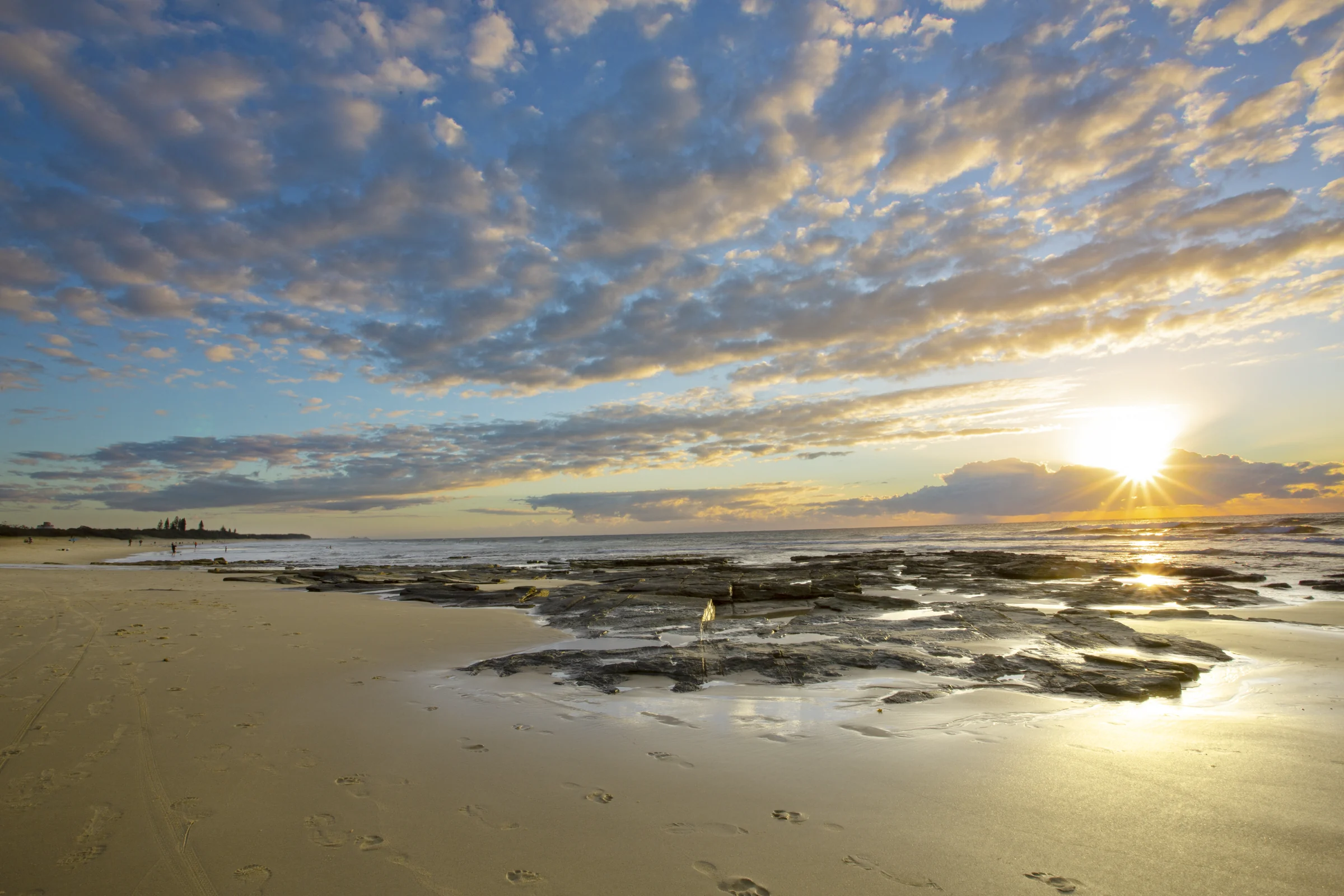
The thing about sunrises and sunsets is that knowing when they’ll happen tells you very little about the show. Clouds, haze and the gaps that let sunlight through can make the difference between a spectacular sky and an unremarkable end to the day. Sometimes the colour arrives unexpectedly; sometimes a promising sky quietly fizzles out.
MOONRISE OVER BRISBANE
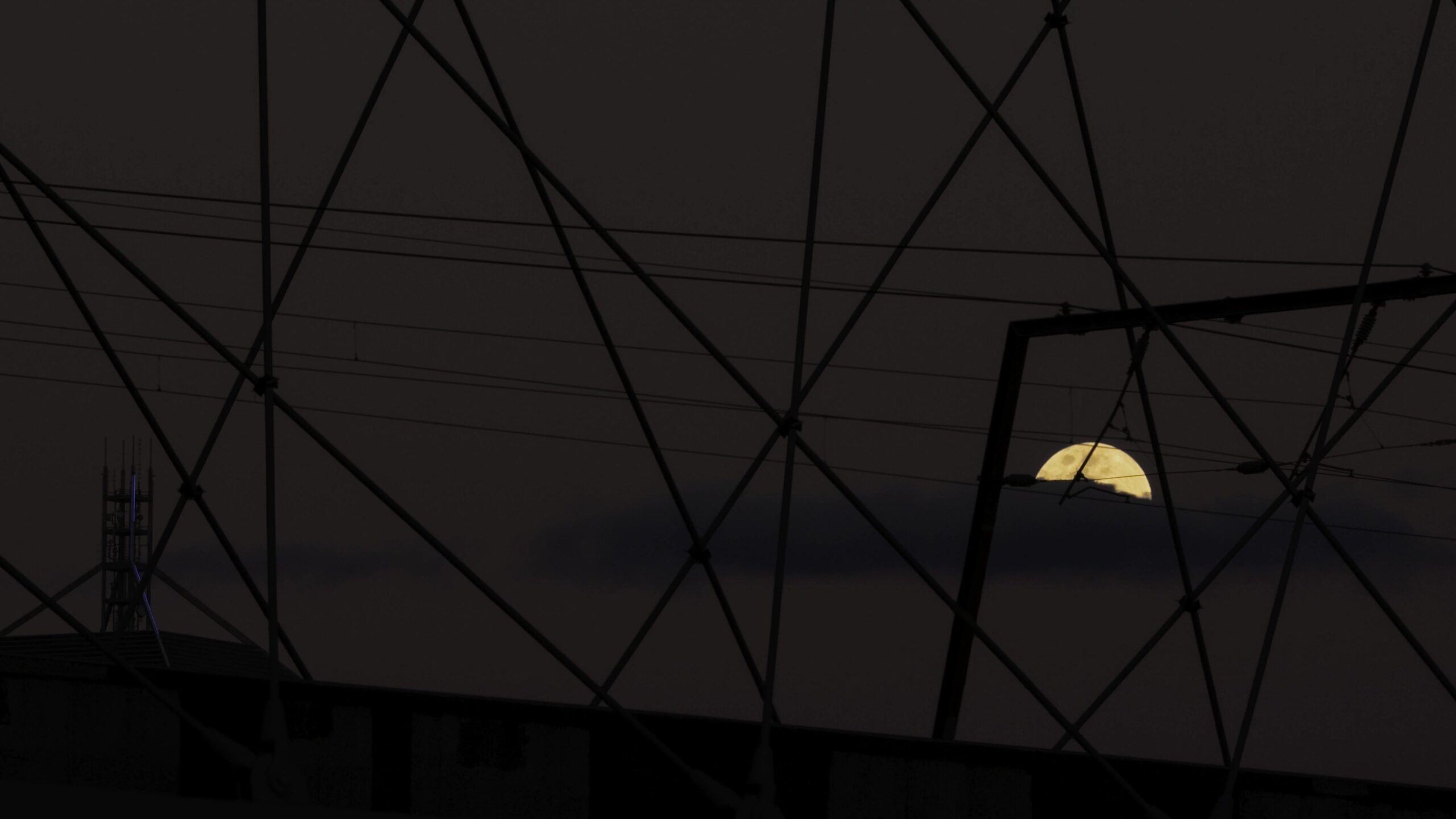
Moonrise over the city
Filmed and edited by Oliver Hildebrand
The full Moon rising through steel lattice work on a rail bridge, with trains passing by in the foreground.
That’s why I like the moon. Heavy clouds notwithstanding, a full moon rising is a reliably stunning sight, wherever you are.
You’ve probably seen a few yourself. Been shocked by one, even: a large, glowing orb poking above the horizon around sunset. Like a smaller sun, but with more discernible detail.
Reflection / 03
名月や池をめぐりて夜もすがら
harvest moon—
— Matsuo Bashō
I circle the pond
all night
Translated by David Lanoue
If you want to catch the next full moon rise, look up the time for your location, or use an astronomy app like Sun Surveyor. Around full moon, it rises close to sunset. Check the bearing too — usually listed as an azimuth in degrees — and use a compass to work out where that falls on your horizon.
Find somewhere with a clear view in that direction and arrive a little early. Buildings, hills and clouds may keep the moon hidden beyond the listed rise time. But be patient and you’ll see her ascend. The same moon we’ve watched since humans started looking up.
Notes
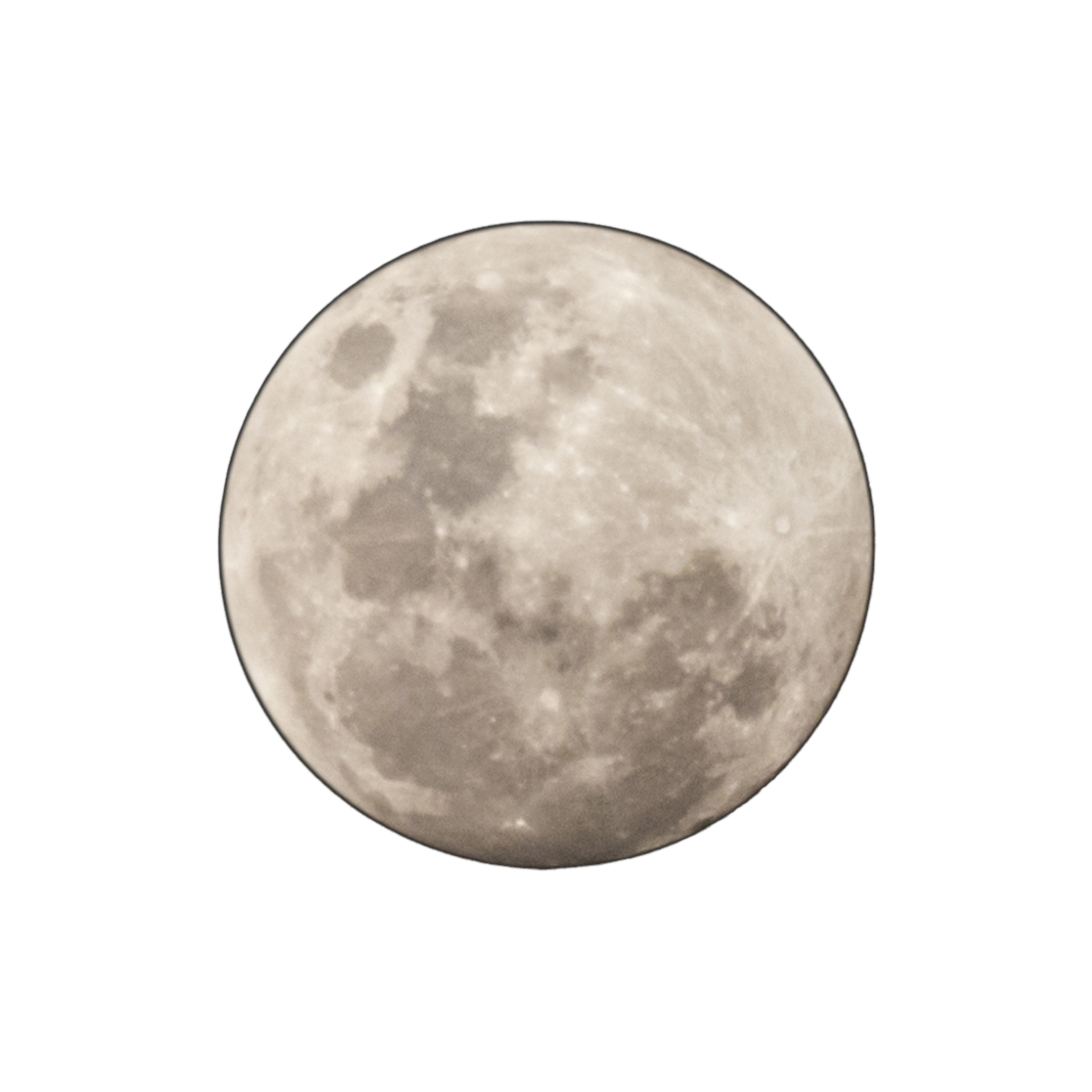
A full Moon rises around sunset because it sits roughly opposite the Sun from our viewpoint on Earth. Its exact rising time and point shift with the season and the Moon’s orbit. Near the horizon, moonlight passes through more atmosphere, which filters the light warmer; the apparent huge size is largely the familiar Moon illusion. Further reading: NASA on Moon phases and NASA’s Moon questions.
Stay a little longer.